


Conquering Canine Noise Sensitivity and Anxiety: A First Step
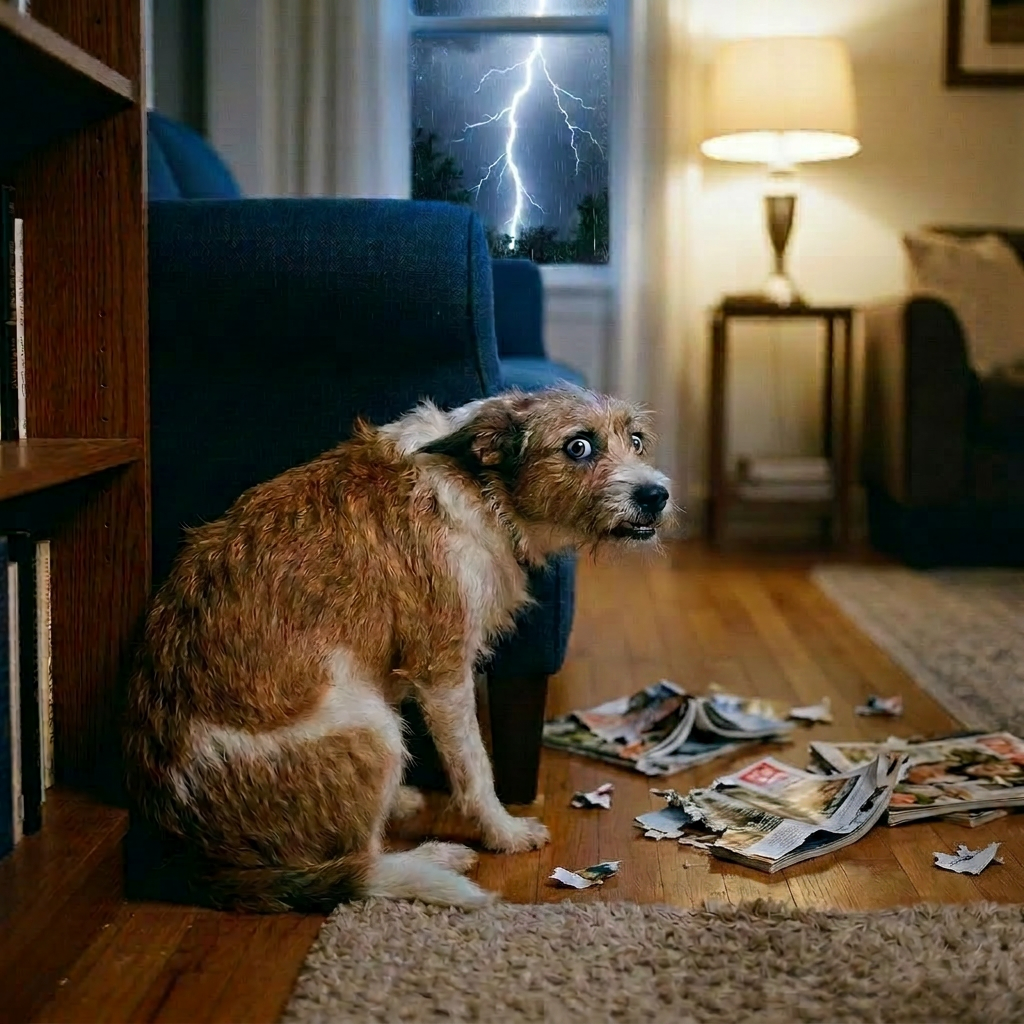
Sound phobia in dogs is more common than you might think, and understanding your dogs underlying triggers is key to helping your furry family member feel safe and secure. Dogs that are sensitive to sounds might react with trembling, hiding, or even uncharacteristic aggression when startled by unexpected noises, whether during thunderstorms, fireworks, or even the everyday noises of a busy neighborhood.
In this section, you will explore:
- The common noise triggers that set off anxiety in dogs.
- Observable behaviors such as pacing, excessive barking, or withdrawal.
- Practical, step-by-step strategies to gradually desensitize your pet and build confidence.
By recognizing your dogs triggers early on, you can establish a calm environment that can help your dog cope better when these scary sound scenarios arise. This guide offers actionable tips to help reduce their noise anxiety, making it easier to adapt with behavior modification techniques tailored to both urban and suburban lifestyles. With clear explanations and practical advice, the following sections will equip you with the tools needed to transform fearful reactions into a state of calm confidence.
Some Common Triggers
- Thunder
- Fireworks
- The Vaccuum
- Car Horn
- Garbage Truck
Observe body language:
- Watch for subtle cues like drooping ears or avoidance behaviors.
- Trembling
- Excessive Panting
- Pacing
- Hiding Under Bed
Unlocking a Stress-Free World for Your Dog
Understanding what sounds trigger your dog is key to building a positive and rewarding desensitization experience. Once you know what sounds trigger your dog we want to gradually expose your sound-phobic dog to controlled, low-level sounds while doing something fun your dog enjoys, this exercise can transform fear into confidence, ultimately improving their overall quality of life. This process may be slow but helps diminish anxiety and promotes a sense of security, ensuring your dog feels safer in everyday environments.
For example, my dog was indirectly struck by lightning when he was about 6mo old. Up to that point in his life no sounds bothered him, whether it be thunderstorms, fireworks, car backfire, etc… However, after the incident all he wanted to do was run to the laundry room and tremble in a corner. So, I started slowly with a thunderstorm CD on low while playing fetch with his favorite ball in the house. We then progressed to going outside when a thunderstorm was in the distance and gradually over time, we were able to stay out even when a storm was right on top of us. I must add, that I have been petrified of lightning since I was a child and by working to desensitize my dog to the thunder and lightning, I have helped my own life-long phobia and can now be outside during a storm with no issues!!! (I don’t recommend being out in an actual storm)
Practical steps include:
- Gradual Exposure: Begin with gentle ambient noises, slowly increasing intensity of the noises that typically trigger your dog as your dog adjusts.
- Positive Reinforcement through Play: Play some of your dogs favorite games, as with my dog he couldn’t resist a game of fetch!! I started with low noise and gradually increased the triggering stimuli.
- Consistent Routine: Stick to regular training sessions, reinforcing a stable, predictable environment.
–End On A Good Note:
While always trying to raise the bar, end the session before you go over the threshold that will cause the training to go backwards.
Using these strategies, pet owners can help their furry family members become more resilient in the face of unexpected sounds. As your dog learns to associate noises with positive outcomes, you’ll notice a marked improvement in their behavior, making outings and daily activities more enjoyable for both of you.
This mindful approach not only eases immediate fear but, also contributes to long-term emotional stability, paving the way for a more balanced and harmonious home.
Step-by-Step Sound Desensitization Process
Begin your journey toward a calmer, more confident dog by introducing controlled sound exposure in a safe and structured manner. This guide will help you gradually build your dog’s tolerance to specific sounds using positive reinforcement and predictable routines.
- Identify the Trigger: Start by determining the sound or sounds that triggers your dog’s apprehension. Play a low volume of the specific sound in a quiet room to gauge their initial reaction.
- Controlled Exposure: Over several sessions, slowly increase the sound volume only as long as your dog remains relaxed. Keep sessions short to prevent overwhelming your dog. *Always ending on a good note.
- Positive Reinforcement: Pair each exposure with rewards such as treats, praise and play. When your dog maintains calm behavior, immediately reward them. This helps link the sound to positive outcomes.
- Consistency and Patience: Repeat these sessions daily, gradually extending the duration and intensity of the sound. Monitor your dog’s comfort levels and be ready to pause if stress signs appear.
This manageable, step-by-step approach will help desensitize your dog’s sound phobias thus, creating calmness and confidence over time.
What is Sound Desensitization and How Does It Work?
Sound desensitization involves gradually exposing your dog to various noises to reduce their fear response. This method helps retrain a dog’s mind to view sounds as non-threatening, promoting calmer behavior over time.
How Long Will It Take to See Improvement?
Every dog is unique. Typically, noticeable progress might be seen within a few weeks to several months, depending on the intensity of the dog’s sensitivity and consistency of the training sessions. The level of fear also is a major factor, with my dog getting indirectly zapped by lightning, he had a very traumatic experience and took longer than some other sound phobias with other dogs. He went from wanting to tremble in the laundry room at the first sound of thunder in the distance, to walking outside with me at my side while a storm was on top of us with thunder cracking to put blankets on the horses.
What Techniques Are Most Effective?
Effective techniques include:
- Gradual volume increase of recorded sounds
- Pairing sounds with positive experiences
- Consistency in daily practice
These methods help reduce anxiety and build your dog’s confidence.
Can I Use This Approach Alongside Other Training Methods?
Yes, integrating sound desensitization with basic obedience and positive reinforcement can enhance overall calmness and improve behavioral responses during stressful situations. In fact, it is highly recommended so they learn to listen consistently even during stressful situations.
Are There Any Supplements I Can Use ?
Yes, adding calming treats such as Composure for Dogs or Zesty Paws Calming Treats has helped many of my client’s dogs be calmer and more content. You may also try CBD oil, Rescue Remedy or some light lavender oil on a bandana.
Envisioning a Peaceful Future for Your Dog
As this article on easing your dog’s sound phobia comes to a close, take a moment to reflect on the transformative steps covered in this guide. By gradually introducing these desensitization techniques and consistently reinforcing calm behavior, you can pave the way for a more relaxed and joyful life for your furry family member. Remember, every positive interaction builds trust and counteracts anxiety, helping your dog feel secure even amidst disruptive noises.
Key takeaways include:
- Learn your dogs triggers.
- Use positive reinforcement, playful activities and games to reduce stress and anxiety.
- Introduce controlled exposure to sound, gradually increasing intensity and variety over time.
- Utilize calming treats and remedies.
- Always end a session on a good note.
- Create a dedicated quiet space where your dog can retreat to whenever needed.
For dog owners that have sound sensitive pups, these actionable strategies can serve as a blueprint to manage noise-related stress effectively. Integrate these methods step-by-step and watch as your dog’s response evolves from fear to comfort. Stay dedicated, be patient, and know that with persistence, your furry family member is on the road to rediscovering a life of confidence and happiness. Happy training!
Give Good Behavior Dog Training a call today if you need help above and beyond what this article has outlined for your dog’s sound phobias. 352-208-4034
goodbehaviordogtraining.com
tampadogtrainer.com
 Good Behavior Dog Training
Leave a comment