
Welcome to Puppy Parenthood: What You Need to Know
Bringing home a new puppy is one of the most exciting moments for any pet lover—full of wagging tails, tiny paws, and endless moments of discovery. But along with the joy comes the responsibility of creating a safe environment and clear direction from day one. A smooth transition from puppy to adult dog doesn’t happen by accident; it’s built on the right preparation and essential supplies that meet your puppy’s developmental needs.
In the first few weeks, your puppy will be adjusting to new sights, sounds, and routines, making it critical to have everything ready before they arrive. From proper chew toys, for teaching the proper items to chew, properly fitting martingale collar with ID tags and a 6’ leash, to first-aid essentials, each item plays a role in fostering a well-rounded education to promote lifetime Good Behavior. Early investment in the right gear—like a life-stages crate that can grow with your dog, age-appropriate chew toys of different textures, proper food bowls, a travel bag filled with similar items for on the go —can prevent common issues like anxiety, destructive chewing, or housebreaking setbacks.
You’ll also want to consider location-specific factors, such as local climate conditions when choosing bedding or outdoor gear. Whether you’re in a humid climate like Florida or a cooler mountain region, tailoring your setup enhances comfort and safety.
In this guide, you’ll learn exactly which supplies are non-negotiable, how to introduce them effectively, and practical tips for using them to support healthy growth—all designed to set both you and your puppy up for long-term success.
Must-Have Essentials Every New Puppy Parent Needs
Bringing home a new puppy is an exciting milestone, but preparation is key to setting both you and your pup up for success. To support healthy development and prevent common behavioral issues, having the right supplies from day one is essential. Here are some recommended puppy must-haves that every new pet parent in Tampa, Orlando, and across Florida should stock up on before that tiny bundle of joy arrives.
- Stainless Steel Food and Water Bowls
Choose tip-resistant, elevated bowls to support proper digestion and joint health, especially for larger breeds. Avoid plastic to reduce the risk of bacterial buildup and chin acne. Clean daily to maintain hygiene and prevent contamination. - Martingale Collar and Durable 6’ Leash
A well-fitted nylon or leather martingale collar with ID tags is crucial for safety. Pair it with a 6-foot leash for control during walks. Look for reflective stitching if walking during early morning or evening hours in your neighborhood. - Crate for Safe Containment
A Life Stages wire crate is Good Behavior Dog Training’s top choice or, a suitable plastic crate helps with housetraining and provides a den-like sanctuary. - Washable Bedding and Blankets
Opt for orthopedic or soft memory foam bedding to support growing joints. Machine-washable covers make cleanup easy during potty-training mishaps. (In the beginning we don’t necessarily recommend placing in the crate) - Variety of Chew and Interactive Toys
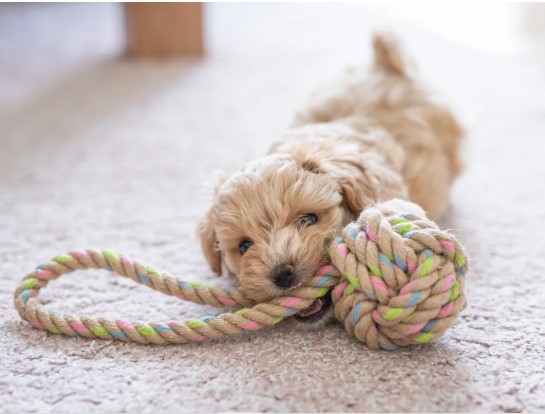
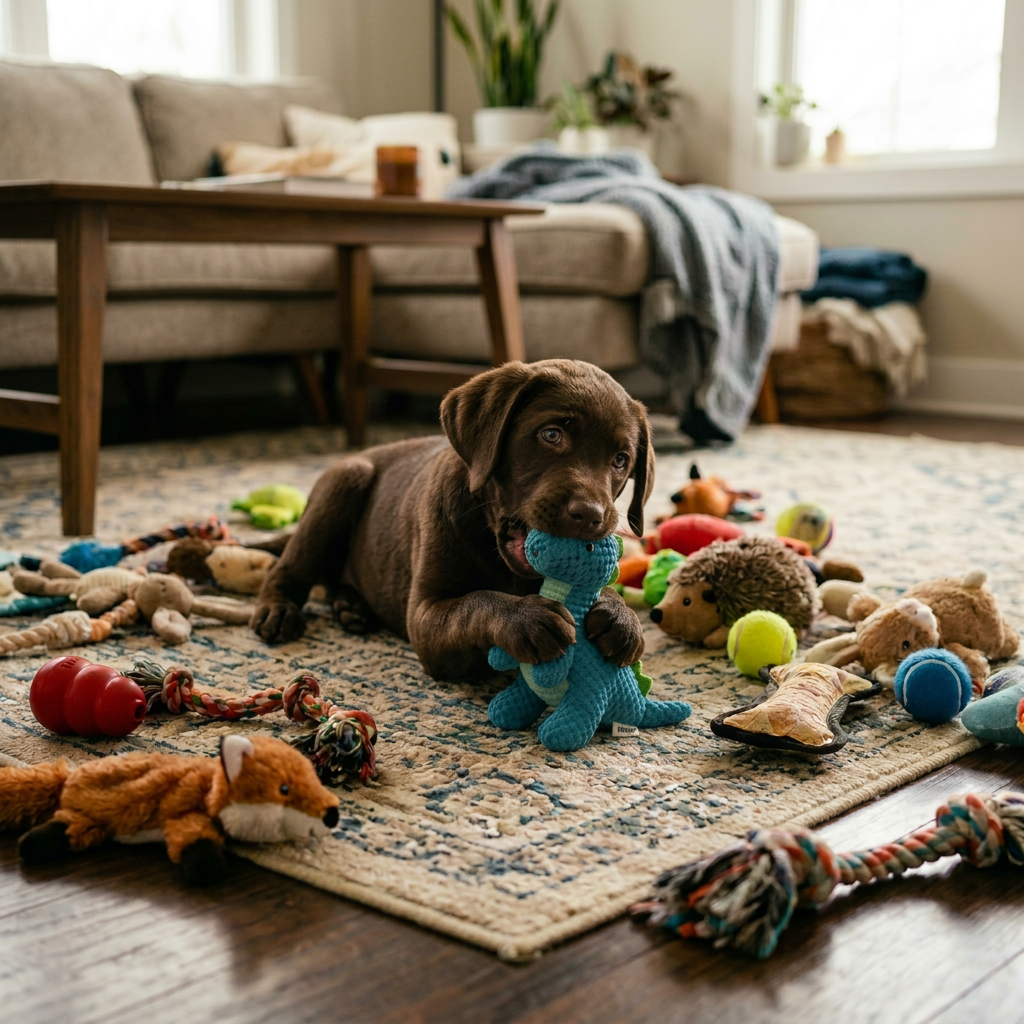
Rotate durable rubber toys, plush options, cow hooves and puzzle feeders to prevent boredom and encourage mental stimulation. This also redirects chewing away from shoes and furniture. - Basic Grooming Toolkit
Include a soft-bristle brush, nail clippers, puppy-safe oatmeal shampoo, and baby wipes for cleaning ears and paws. Regular grooming builds trust and helps catch skin or coat issues early.
7. First-Aid Kit
Bandages and Gauze Pads – Use these to cover cuts and abrasions, reducing the risk of infection and providing extra support until professional care is available.
Antiseptic Wipes and Solutions – Essential for cleaning wounds, these products help in reducing bacteria and preventing further complications.
Scissors and Tweezers – Handy for trimming bandages or carefully removing debris embedded in the fur or skin.
Digital Thermometer – Monitoring your pet’s temperature is crucial for early detection of illness or possible heat stroke, ensuring prompt intervention.
Muzzle and Leash – In stressful situations or if your dog is injured, these tools help maintain control and protect both you and your pet.
Emergency Blanket – Useful for providing warmth and stabilizing body temperature in shock or injury scenarios. Also, can be used as a portable stretcher.
Hydrogen Peroxide Not just an antiseptic but is handy if you need to induce vomiting.
Activated Charcoal In case of ingested toxins, it is beneficial in binding and expelling the unwanted toxins.
Styptic Powder It is a anti-hemorrhagic agent to stop bleeding on minor wounds such as cutting a toenail too short.
Instant Cold Packs Snap Ice packs work by snapping the bag to make the 2 chemicals combine creating an endothermic reaction thus, creating an ice pack without refrigeration. The effects last about 10-15 min. Very useful in over heated dog situation.
Eye/Wound Wash Keeping sterile Saline Solution (for contacts) is beneficial to wash debris out of the eyes and or wounds. The bottles are usually 12- 16oz
Fueling Growth: Nutrition Essentials for Your Puppy’s Development
Proper nutrition is the cornerstone of healthy puppy development, setting the stage for strong bones, a robust immune system, and optimal energy levels. Choosing the right food isn’t just about filling your dogs bowl—it’s about supporting all growth stages with balanced macronutrients and essential vitamins. Look for high-quality puppy formulas rich in animal-based proteins, DHA for brain development, and calcium-to-phosphorus ratios tailored to skeletal growth. Avoid generic (Aka: garbage) feeds and opt for formulations appropriate for your puppy’s breed size, as nutritional needs vary significantly between small, medium, and large breed dogs.
Establishing a consistent feeding schedule is equally critical. Puppies thrive on routine, and regular meals support digestion, and reinforce house-training success as you will see your individual puppy’s time line for elimination after eating and drinking. Good Behavior Dog Training recommends utilizing a bodily function diary. Writing down what time you puppy eats, drinks, pees and poo’s… This will help tremendously with house training!! Most young pups require two to three meals per day during their first few months, gradually transitioning to two meals per day, depending on breed and veterinarian recommendations.
To make feeding effective and mess-free:
- Measure portions accurately to prevent overfeeding or undernutrition
- Feed at the same times daily to build predictability of elimination routines
- Use stainless steel bowls to minimize bacteria and avoid skin irritation
- Limit treats to no more than 10% of daily caloric intake
Monitor your puppy’s body condition closely—ideal weight means ribs are easily felt but not seen, with a visible waist when viewed from above. Adjust portions as needed and consult vet-recommended guidelines to ensure your pup grows at a healthy, sustainable rate.
Puppy-Approved Play: Choosing Safe and Stimulating Toys
Selecting the right toys for your puppy isn’t just about play—it’s a foundational part of healthy development of the proper chewing habits, especially during the critical teething phase. The right toys can prevent destructive chewing, support dental health, and provide essential mental stimulation. For teething puppies, offer many different textured items such as, soft rubber toys, bully sticks, frozen washcloth, Himalayan Yak chews or Nyla-bones offer soothing relief for sore gums. Look for textured surfaces that gently massage the gums while helping to dislodge plaque keeping teeth clean and good oral hygiene. None of the dogs at Good Behavior Dog Training have ever had to have a dental, because, we believe in offering multiple proper chew items that promote good dental health!!
Interactive toys are equally vital. Puzzle feeders and treat-dispensing toys engage your puppy’s mind, slowing down fast eaters and reducing anxiety. These are ideal for pet owners in Tampa, Orlando, and surrounding areas looking to build confidence and focus in their young dogs. When choosing toys, prioritize safety: avoid small, detachable parts that could pose choking hazards and opt for non-toxic, durable materials designed for canine chewing styles.
Rotate toys weekly to maintain novelty and prevent boredom. Start with different textures or types—like a soft plush for comfort and a rubber chew or cow hoof for gnawing—then introduce puzzle toys to keep your puppy mentally stimulated. Remember, consistent play with the right toys supports bite inhibition, builds trust, and lays the groundwork for a well-mannered adult dog.
Your Top Questions About New Puppy Preparation—Answered
Bringing home a new puppy is exciting, but it also comes with a flood of questions. From puppy-proofing your home to feeding routines and potty-training setbacks, new puppy owners often feel overwhelmed. Here’s a clear breakdown of the most common concerns—and practical solutions.
How do I puppy-proof my home effectively?
Start by kennel training. When unsupervised and your eyes can not be GLUED to your puppy; your puppy should be confined to the safety of his crate or playpen. Use baby gates and close doors to restrict access to places you don’t want your pup to wander. Remove cords, toxic plants, and small objects. Designate a cozy, chew-safe zone with appropriate dog chew toys to prevent destructive habits. Playing the obstacle course game every day (refer to your Homework Sheets) will have your pup reliably chewing on proper items only!
What should I feed my puppy—and how often?
Puppies need nutrient-rich food formulated for their breed size and growth stage. Feed two to three times daily until six months, then transition to two meals. Always provide fresh water.
When should I start training and socialization?
FROM THE MOMENT YOU BRING YOUR PUP HOME! Begin commands (sit, stay, come and wait) when you bring your pup home at eight weeks. Enroll in Good Behavior Dog Training’s classes for structured behavior modification and obedience critical for confidence and impulse control.
What are signs my puppy is struggling with separation anxiety?
Excessive whining, chewing, or accidents indoors even after proper elimination may signal stress. Establish a consistent routine, teaching your puppy to be by themselves, gradually increasing alone time and avoid reinforcing fearful behavior. (Leave a radio on for mental stimulation)
How do I choose safe, durable chew toys?
Pick long-lasting chew toys made from non-toxic rubber, nylon, Himalayan yak chews, cow hooves and bully sticks sized appropriately to prevent choking. Rotate toys weekly to maintain interest and support dental health.
You’ve got this—with the right tools, your puppy will thrive.
You’re Ready for Your Puppy Parenting Adventure
Bringing home a new puppy is both exciting and overwhelming, but having the right supplies sets the foundation for a well-adjusted, well-behaved furry family member that will be a welcome guest wherever you go. From durable chew toys that support dental health and curb destructive chewing to comfortable martingale collars, leashes, and crate setups that promote safety and structure, each item plays a role in shaping your puppy’s development. Go over the essentials in this article like a nutritious food and stainless water bowls, age-appropriate nutrition, potty training protocols, and interactive toys that stimulate their growing mind.
Start by creating a consistent routine—puppy’s thrive on predictability. Introduce different chew toys, observe how your pup responds to each toy, and adjust as needed. Rotate chew toys weekly to maintain interest and maximize engagement. Focus on positive reinforcement and patience; every small success builds confidence for both of you.
Take action today: audit your current supplies, identify gaps, and prioritize items that support training, health, and safety. Whether you’re in Tampa, Orlando, or anywhere across the country, local pet stores and online resources make it easy to find what you need. This journey is as rewarding as it is challenging, and every effort you make strengthens the bond you’re building with your new best friend. If you have any questions, please give Good Behavior Dog Training a call 352-208-4034 and we will help you on your successful journey with your new furry family member!
 Good Behavior Dog Training
Leave a comment