
Unlocking the Secrets Behind Canine Behavior
Dog training plays an essential role in fostering a harmonious relationship with your pet, no matter where you call home. Whether you reside in a bustling urban area or a quieter suburban neighborhood, mastering the basics can transform daily routines and create a safer, more enjoyable environment for both you and your dog.
In this comprehensive guide, you’ll explore actionable strategies to tackle common challenges such as unruly behavior, communication gaps, and stress-induced actions. Prepare to learn:
- Effective Communication Techniques: Understand body language and tone to speak your dog’s language.
- Behavior Modification Methods: Discover step-by-step approaches to reinforce positive actions.
This section sets the stage for a deep dive into the art of dog training, providing practical tips and expert guidance. By understanding the intricate dynamics of dog behavior, pet owners can create a more predictable and enjoyable relationship with their canine companions. Get ready to unlock techniques that not only improve behavior but also strengthen the bond between you and your pet.
7 Essential Strategies for Effective Dog Training
- Tons of Positive Reinforcement Reward your dog immediately when they display Good Behavior. Using treats, praise, or playtime reinforces the right actions and helps your furry family ,ember understand what’s expected, ensuring a happy and motivated learner.
- Consistency is Key Establish a routine and use the same commands every time. Consistent signals make it easier for your dog to connect actions with rewards, solidifying training techniques over time.
- Short, Focused Sessions Keep training sessions brief but frequent. Short bursts of focused learning help prevent your dog from feeling overwhelmed, speeding up the mastery of new skills.
- Leverage Local Resources Explore local parks and community events to practice commands in varied environments. This exposure aids in understanding distractions and builds your dog’s focus.
- Incorporate Real-Life Scenarios Simulate everyday situations during training. This practical approach prepares your pet for real-life challenges while reinforcing calm behavior.
- Socialization for Behavior Management Regular interactions with other dogs and people can improve social skills. Such exposure minimizes anxiety and promotes more confident behavior.
- Monitor and Adjust Regularly Keep a training journal noting progress and setbacks. This self-assessment strategy helps you modify techniques to better suit your dog’s evolving needs.
Step-by-Step Guide to Teaching Basic Commands
Begin with clear focus and patience as you introduce your dog to essential commands. Consistent repetition and reward-based training can make learning fun and effective. Follow these sequential steps to build a solid foundation in obedience:
- Establish Trust: Create a distraction-free environment at home or in your local park. Keep sessions short and engaging to hold your dog’s attention.
- Teach “Sit”: Hold a treat above your dog’s head to encourage a natural sitting position. When the dog sits, offer praise and a small reward. Repeat consistently.
- Master “Wait”: Once “sit” is established, ask your dog to sit and hold your hand out in a stop gesture. Gradually increase the distance while saying “Wait.” Always reward progress.
- Recall or “Come”: Use a cheerful tone , then the command coax the pup towards you and when they are on the way say “come.” Reward immediately when your dog responds.
- Practice Regularly: Incorporate short training sessions daily, adjusting techniques based on your dog’s pace.
By following these actionable steps, you’ll enhance understanding and communication with your canine companion—essential for fostering better behavior locally and beyond.
Confronting Common Training Challenges Head-On
Dog training often carries hurdles that can test your patience and persistence. A recurring issue is miscommunication during daily interactions, leading to ineffective commands and escalating frustrations. Tackling these obstacles requires a mix of consistency, clear communication, and positive reinforcement.
Start by keeping training sessions brief yet frequent, ensuring your dog remains engaged without feeling overwhelmed. Consider these actionable strategies:
- Establish a Routine: Dogs thrive on predictability. Set consistent feeding, walking, and training times to build a secure environment.
- Break Down Commands: Simplify complex behaviors into smaller, manageable steps. Gradual progression builds confidence and reduces anxiety.
- Refresh Old Lessons: Revisit basic commands periodically to reinforce established patterns and maintain discipline.
- Use Environment Cues: If you’re in an urban setting, leverage parks or community spaces to practice controlling distractions and enhancing focus.
By understanding these common challenges, you’re equipped with practical solutions that pave the way for improved behavior. This approach not only addresses immediate issues but also builds a foundation for long-term training success, ensuring your canine companion thrives in any setting.
Frequently Asked Dog Training Questions
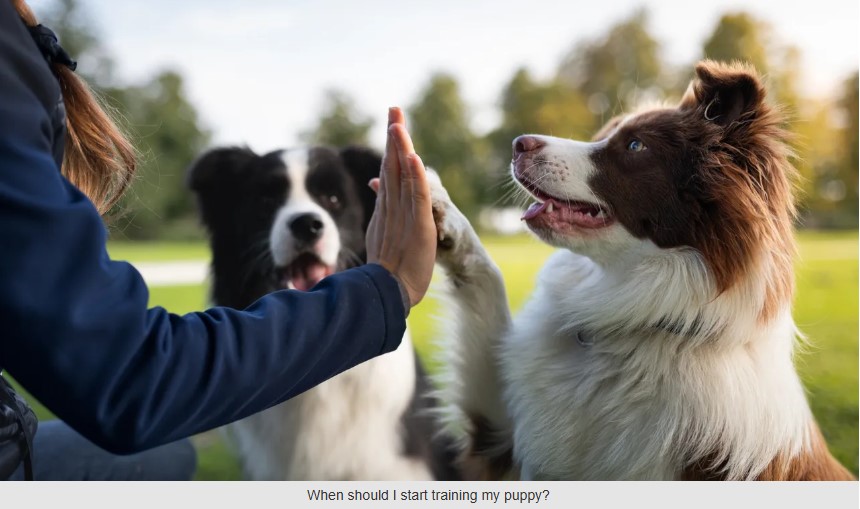
When is the best time to start training my dog? Early training creates a strong foundation for lasting Good Behavior. Begin once your puppy comes into their new home because, whether you are training or not, they are learning. Early socialization and exposure to various stimuli help shape confidence and reduce future fears.
How can I effectively address common behavioral issues? Identifying behaviors such as excessive barking or leash pulling is the first step. Focus on consistent, step-by-step techniques including:
- Structured routines
- Positive reinforcement techniques
- Patience and repetition
What if my dog doesn’t seem to respond to training methods? If progress stalls, reassess your training environment for distractions. Simplify instructions and ensure your cues are consistent. Sometimes a tailored approach using varied high valued rewards can rekindle your dog’s focus.
Is positive reinforcement truly effective? Yes, rewarding Good Behavior helps cement the desired actions. Use treats, praise, or playtime immediately after a correct response to build a clear association.
Wrapping Up: Take the Next Step Toward Better Behavior
You’ve journeyed through practical strategies and insightful techniques that emphasize the importance of proper dog training. By now, it’s clear how consistent training enhances communication, mutual respect, and overall behavior improvement. Some key takeaways from our guide include:
- Clear Expectations: Establish boundaries and consistent commands that build trust and reinforce positive habits.
- Patience and Persistence: Stay patient as your dog learns new behaviors through repetition and rewards.
- Our Support: Consider our training classes with Good Behavior Dog Training’s personalized guidance tailored to you, your dog and your goals. Call us at anytime 352-208-4034 for any questions or concerns with training.
As you reflect on these actionable steps, envision the impact of disciplined routines on everyday interactions with your furry family member. Not only do these practices foster better behavior, but they also pave the way for a more fulfilling bond with your canine companion.
Now is the perfect time to implement these tips and observe real, lasting improvements. Embrace the journey of transformation with confidence and enthusiasm, knowing that every step you take contributes to a happier, healthier pet relationship. As always, if you need guided help please call Good Behavior Dog Training 352-208-4034.
 Good Behavior Dog Training
Leave a comment