
Good Behavior Dog Training’s List of Things Your Dog Can’t Chew If They’re Chewing on an Acceptable Chew Toy
The Good Behavior Gazette
One of the most common concerns dog owners share is that their dog seems to chew everything in sight. Shoes disappear. Furniture develops unexpected tooth marks. Remote controls mysteriously stop working. Garden plants are rearranged according to a plan known only to the dog. While this can certainly be frustrating, it is important to remember that chewing is a normal and necessary canine behavior.
Dogs are naturally driven to chew. Puppies use their mouths to explore the world around them, much as young children use their hands. Adult dogs often chew as a form of relaxation, enrichment, stress relief, or simple enjoyment. Chewing exercises jaw muscles, provides mental stimulation, and can help satisfy natural instincts. The goal should never be to eliminate chewing altogether. Instead, our objective is to teach dogs what is appropriate to chew and provide them with satisfying alternatives.
One of my favorite observations when discussing destructive chewing with clients is that a dog cannot chew two things at the same time. If a dog is genuinely engaged with an appropriate chew toy, there are many household items that immediately become less attractive or simply unavailable at that moment.
Take shoes, for example. Dogs seem to possess a remarkable ability to locate the most expensive footwear in the home. Whether it is a favorite pair of running shoes, work boots, or brand-new sneakers, dogs are often attracted to items that carry the scent of their owners. From the dog’s perspective, these objects smell familiar, feel interesting, and are conveniently accessible. Providing an appealing chew outlet can redirect that interest toward something far more appropriate.
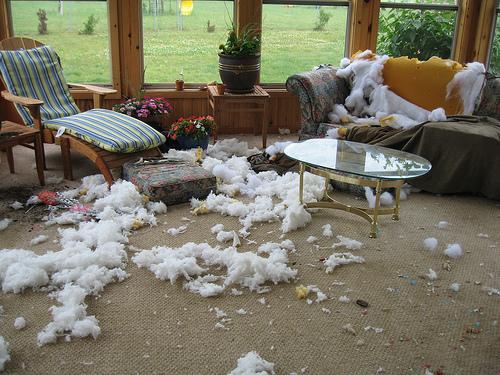
Furniture is another common casualty of boredom and under-stimulation. Chair legs, table corners, and even entire sections of couches have fallen victim to enthusiastic canine remodeling projects. Contrary to popular belief, dogs are rarely chewing furniture out of spite. More often, they are fulfilling a natural need or seeking entertainment. Appropriate chew toys and enrichment activities can dramatically reduce the likelihood that your furniture becomes their next woodworking project.
Remote controls and cell phones present another challenge. Many dogs seem oddly fascinated by these everyday objects. Perhaps it is because they are frequently handled by family members and carry strong human scents. Whatever the reason, the sound of a chewing dog followed by the discovery of a damaged remote or smartphone is one that many owners remember all too well. A dog occupied with an approved chew item is far less likely to seek entertainment elsewhere.
Some chewing targets are more than inconvenient; they can be dangerous. Electrical cords, power cables, and other household wiring can present serious risks to curious dogs and puppies. While supervision and management remain critically important, providing safe alternatives can help reduce interest in these hazardous objects and encourage better choices.
Children’s toys are another frequent source of confusion. Dogs do not automatically understand the difference between their toys and a child’s treasured stuffed animal or action figure. To a dog, both may appear equally acceptable. Clear boundaries, supervision, and access to appropriate chew items can help prevent unfortunate misunderstandings.
The outdoors is not always safe from chewing behavior either. Many dogs discover great enjoyment in landscaping projects. Mulch, roots, sticks, shrubs, and garden edging often become the focus of intense investigation. While some exploration is perfectly normal, excessive chewing on outdoor items can sometimes indicate a need for additional enrichment opportunities. A mentally engaged dog often finds less reason to redesign the yard.
Even the family mail has been known to suffer. Over the years, I have encountered more than a few dogs who appeared convinced they had been appointed quality-control inspectors for incoming correspondence. Important documents can quickly become shredded confetti when left within reach of an enthusiastic canine employee.
Puppy owners know all too well that leashes frequently become targets as well. To a young dog, a leash may seem less like a training tool and more like a moving chew toy that follows them everywhere. Redirecting that natural urge onto appropriate items can help preserve both equipment and patience.
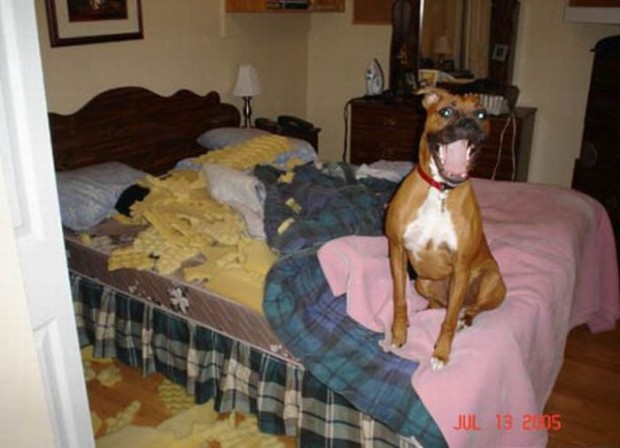
Perhaps the most important thing appropriate chew toys protect is not furniture, shoes, or electronic devices. They protect the relationship between dogs and their owners. Dogs need outlets for their energy, instincts, and curiosity. When we fail to provide those outlets, they often invent their own activities. Unfortunately, those self-directed activities rarely align with the homeowner’s preferences.
Chewing is more than simply keeping a dog occupied. It is a valuable form of enrichment. Appropriate chewing opportunities can help reduce boredom, relieve stress, encourage relaxation, and provide an acceptable outlet for natural canine behavior. Combined with training, exercise, and other enrichment activities, appropriate chew toys contribute significantly to a dog’s overall well-being.
The larger lesson is that successful training often focuses less on stopping behaviors and more on providing better alternatives. Rather than simply telling a dog what not to do, we should ask ourselves what we would like the dog to do instead. If we do not want the dog chewing the shoe, the couch, or the remote control, we must provide appropriate options that satisfy the same need.
When dogs are given good choices and taught how to use them, they make better decisions.
So the next time your dog reaches for an approved chew toy, take a moment to appreciate what is not being chewed at that exact moment. The shoe is safe. The remote is safe. The furniture is safe. The leash is safe. Even your patience may be safer.
And that is a victory worth celebrating.
“A tired dog equals a happy pet parent, but a mentally enriched dog equals a peaceful home.”
— Robin LeBlanc
Founder, Good Behavior Dog Training 🐾
If your dog has plenty of acceptable chew toys they most likely wont be chewing on your shoes, pillows, curtains, bedspreads, tables, chairs, couches, cushions, kids toys, hair brush, electrical cords, remotes, cell phones, your pants, your hands, your feet, your shoe laces, your skirt, garden hose, plants, bicycle tires and/or seat (yes I have received a few calls over the years on that issue…), trash, socks, towels and the list goes on… But, if you provide plenty of acceptable chew toys and train your dog that those are the right objects to chew on, you will never have a problem!!! Yes, they will destroy these toys and you will have to keep buying them new ones, but remember, you Buy Them Toys to Destroy so they don’t bother your stuff!!!!!
GO BUY YOUR DOG SOME NEW TOYS TODAY!!! So they leave your stuff alone!!!
 Good Behavior Dog Training
Leave a comment